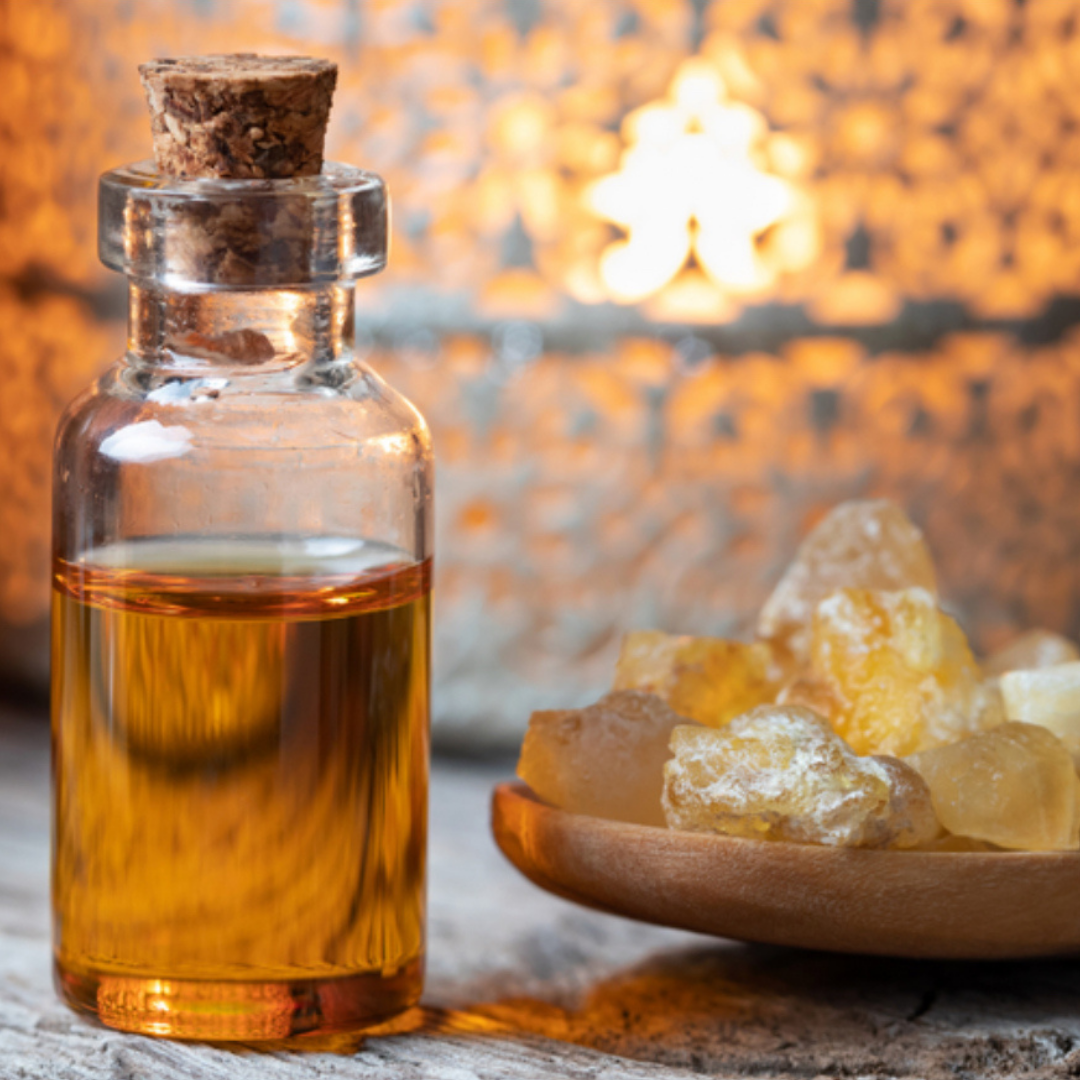
As the holiday season approaches, essential oils, herbs, and ancient aromatics can bring warmth and joy into the home, while supporting your body, mind, and spirit. From creating festive, comforting atmospheres to easing end-of-year stress, managing inflammation and hormone-related issues, biblical aromatherapy and functional medicine offer gentle, natural healing during this time. It can also be thoughtfully integrated into longer-term wellness and longevity routines under the guidance of healthcare and wellness professionals.
Aromatherapy is often viewed today as a wellness luxury—pleasant, calming, but optional. Yet long before essential oils were bottled and diffused, aromatic resins, herbs, scents, and oils were central to healing, ritual, and daily life. Many essential oils and resins were mentioned in sacred texts of different cultures, and were often used in biblical rituals and human healing. Today, the modern health professionals integrate the ancient wisdom into wellness plans to support human wellbeing and quality of life. Biblical Aromatherapy and Functional Medicine both focus on supporting the body through systems-based, evidence-informed approaches to health.

Ancient Oils, Modern Neuroscience – Aromatherapy Then and Now
This article explores the relationship between biblical aromatics and modern wellness practices informed by current research and opinions of integrative and functional medicine professionals. The information provided in my article is for educational purposes only. It reflects systems-based and sensory-regulation perspectives, not medical advice, sponsored content, medical treatments, or therapeutic claims.
From Biblical incense to integrative medicine, keep reading to learn how biblical aromatherapy and functional medicine supports longevity, inflammation control, and holistic healing today. I share simple recipes on using aromatics at home, as well as sources of information I researched to back-up my article and its content. The images in this article include the content I gathered at the life-events, Natural Food Expo Shows, and media and marketing forums on wellness and health I attended in 2020-2025.
Aromatherapy in Biblical Times: More Than Symbolism
The Old Testament describes Frankincense, myrrh, cinnamon, cassia, hyssop, and olive oil not as perfumes, but as tools for purification, anointing, restoration, and longevity. For instance, we can track the mentioning of Frankincense throughout the Old and New Testaments in the Bible, including King David’s Psalms. In the New Testament, Frankincense was famously offered as a gift to the Christ child. It was also treasured in many ancient cultures. In the Old Testament, sacred incense including Frankincense made of resins, spices and barks was burned in temples as a spiritual offering.
In the Old Testament, aromatics were not cosmetic, they were theological and healing tools. Smell was linked to holiness, memory, healing, and covenant. Fragrance acted as a bridge between the physical and spiritual worlds.This ancient understanding aligns beautifully with what modern neuroscience and wellness industry confirms today: scent directly affects the limbic system, influencing emotion, memory, nervous system, and hormone regulation. Since ancient times Jewish, Christians, Muslim, or Chinese enjoyed healing practices, massage, reflexology, and aromas, regardless of their religious beliefs.


Cinnamon and Cassia – The Answers for Your Metabolic Disorders
Cinnamon and Cassia were often mentioned in the Bible and nowadays they are recommended for Metabolic and Glycemic Control. Both fragrances used to be sacred oils and royal fragrances. Now the integrative medicine doctors claim that these herbs Improve: insulin sensitivity, post-meal glucose response, lipid metabolism, and more. They are also used in protocols for prediabetes metabolic syndrome, and PCOS.
While functional medicine favors Ceylon cinnamon over cassia for long-term use due to coumarin content, there are plenty of supplies of these products on the market that you can use at home, in your cooking recipes, coffee or tea, and as a supplements or aroma diffusion during yoga practices, following your doctor’s recommendation.
Modern takeaway: Biblical “warmth and vitality” leads to mitochondrial and metabolic support.


Frankincense (Boswellia): Inflammation & Immune Modulation
One of the leading ancient aromatics – Frankincense (Boswellia) ( References: Psalm 141:2) was burned as sacred incense in the Tabernacle and Temple. Since then it is associated with prayer, purification, and divine presence and supports symbolism for holiness, worship, spiritual elevation. The properties (according to modern view) include: Anti-inflammatory, grounding, calming, stress-relief, and antimicrobial properties. Nowadays, the functional medicine utilizes Boswellic acids inhibit 5-LOX inflammatory pathways Used for osteoarthritis and joint pain, inflammatory bowel disease (IBD), asthma and airway inflammation and chronic inflammation reduction— a core functional medicine target
According to my research, clinical framing, and opinions of leading doctors in reflexology, aromatic healing: Frankincense moves us from “symbolic purification” to biochemical inflammation control.
Functional Medicine’s Perspective: Why Scent Matters
Functional medicine focuses on root causes, not isolated symptoms. From this perspective, aromatherapy supports health by influencing three foundational systems:
Nervous System Regulation: Chronic stress disrupts hormones, sleep, digestion, and immunity. Essential oils such as lavender and frankincense are shown to support parasympathetic (“rest-and-digest”) activity, helping calm the stress response.
Inflammation Balance: Boswellia extracts are widely studied for their role in modulating inflammatory pathways. While these effects are strongest in standardized supplements, aromatic exposure complements broader anti-inflammatory strategies.
Hormonal Signaling: Hormones respond to stress, sleep, and emotional regulation. Aromatherapy does not “add hormones,” but it can support the environments in which hormones rebalance naturally.
Resin, Essential Oil, or Capsules: What’s the Difference?
Understanding format matters for safe and effective use:
- Resin (whole frankincense tears):
Least processed; traditionally chewed or burned. Best for ritual use, gentle daily grounding, and oral traditions. - Essential oils:
Distilled aromatic compounds used for inhalation or diluted topical application. Best for stress, sleep, mood, and nervous system support. - Capsules (Boswellia extract):
Most evidence-based for joint, gut, and systemic inflammation. Often used under practitioner guidance.
Each format serves a different purpose—aromatherapy complements, but does not replace, medical care.


A Simple Holiday Aromatherapy Spray for Home Use
Calm & Balance Room Mist (4 oz / 120 mL)
- Distilled water: 4 oz
- Witch hazel or vodka: 1 tbsp
- Lavender: 10 drops
- Sweet orange: 8 drops
- Frankincense: 4 drops
Shake before use. Spray into the air—not directly on skin or face.
Safety note: Essential oils are highly concentrated plant extracts and must be used with care and often under professional guidance of medical professionals. Avoid ingestion unless guided by a certified aromatherapist. Topical use or inhalation is generally safest. Always dilute oils properly, and be especially cautious when using them around children, elders, or pets.
Support your Emotional Health: Holiday Aromatherapy for Massage Blends
This is one of my favorite and uplifting massage oils to ease year-end stress, tension, and physical or emotional fatigue. Lavender is comforting, stress-relieving and helpful for anxiety, neroli is calming, heart-opening and helpful for regulating the nervous system. Ylang ylang is used in aromatherapy for its potential to support relaxation and reduce perceived stress, without treating or addressing underlying endocrine conditions.
To make your own, add the following essential oils to a one-ounce glass bottle, then top off with your favorite carrier oil.
- 8 drops lavender
- 6 drops sweet orange
- 4 drops neroli
- 6 drops ylang ylang
To use, gently massage into the shoulders, neck or pulse points or add to a bath for deep relaxation.


Integrative Women’s Health: Where Aromatherapy Fits Today
Many integrative and functional medicine centers—particularly those focused on women’s health, now incorporate aromatherapy as supportive care, not treatment. It is used to:
- Reduce anxiety before and after procedures
- Improve sleep quality and stress control
- Support emotional resilience during hormonal transitions
- Enhance mind-body therapies such as meditation and breathwork
Experts emphasize that aromatherapy works best as part of a broader care plan, alongside nutrition, movement, sleep, and clinical support of other medical professionals when needed.
As Dr. Louise Newson notes, gentle tools like aromatherapy may support relaxation and sleep, though they are not substitutes for medical treatment. Similarly, hormone physician Dr. Sara Gottfried highlights aromatherapy as a helpful adjunct—while stressing the importance of evidence-based care.
Ancient Wisdom, Modern Context
Biblical aromatherapy was never about indulgence. It was about restoring balance—physically, emotionally, and spiritually. Functional medicine reframes this ancient wisdom in modern language. It considers: nervous system regulation, inflammation control, and hormonal resilience. Biblical aromatherapy and functional medicine go hand-in-hand in supporting wellbeing and longevity of all, regardless of age, sex, cultural upbringing, or religious beliefs.
In a world of constant stimulation, scent offers a simple, accessible way to reconnect the body and mind—just as it did thousands of years ago.
Biblical Aromatherapy and Functional Medicine – Frequently Asked Questions


1, Is aromatherapy supported by functional medicine?
Yes. Functional medicine recognizes aromatherapy as a supportive tool for nervous system regulation, stress reduction, and sleep—often used alongside evidence-based lifestyle and clinical interventions.
2. Which essential oils are safest for hormone balance?
Lavender, frankincense, and sweet orange are among the most commonly used and generally well-tolerated oils when properly diluted and used in moderation.
3. What is the difference between essential oils and supplements?
Essential oils are primarily used for aromatic and sensory support, while supplements are ingested and formulated to deliver measurable physiological effects under professional guidance.
4. What are the best Functional Medicine and Integrative Medicine centers that offer guidance on Aromatherapy?
Please scroll down to the end of this page to view references, where I share the name and links to the Functional Medicine centers of my choice.
5. Can you write articles or publicize our wellness brand via SEO content and AI digital visibility? Yes, please contact me for a quick free consultation to make an estimate and create a digital marketing and content strategy plan for your specific business needs. You can also pick a plan of your choice from the Products & Pricing page. Email me at: Elena@greendeskmarketing.com or use my Contact page for more.
Disclaimer
Essential oils and aromatic herbs may not be appropriate for everyone. Use caution and seek professional Integrative medicine guidance if you are pregnant, nursing, managing hormone-sensitive conditions, undergoing cancer treatment, or have asthma, allergies, or scent sensitivities.
Cover image credit: Madeleine Steinbach
References:
Women Center for Integrative Medicine
For more articles and information on this topic, please click here to visit my blog..
Leave a Reply